Art-Forward Homes
A well-designed Indian home today is quietly confident, with its layered richness muted and elegant. In these homes, luxury is not about gleaming surfaces or imported labels. Instead, it is about discernment—spaces that feel art-forward, are deeply personal, and are rooted in craft.
Crafting Statements
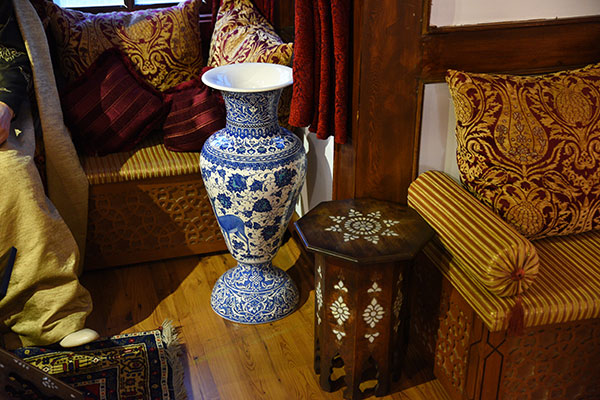
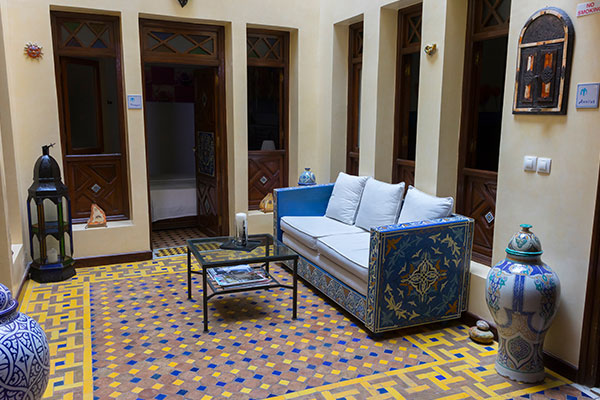
Handcrafted pieces have moved from being ‘ethnic accents’ to centre-stage statements. Studio ceramics, for instance, are becoming markers of refined taste. A dining table might feature hand-thrown stoneware in muted celadons or smoky greys, each piece subtly different, each imperfection intentional. Ceramics from Jaipur, Khurja, and Auroville are finding homes alongside Italian marble and bespoke furniture—proof that luxury now values the human hand as much as polish. Illumination, redefined through artisanal craftsmanship, is also finding its place on the table, wall, floor and ceiling, with many crafted from eco-friendly materials such as banana fibre paper, paper, upcycled cork, faux concrete, and quarry waste.
textile art
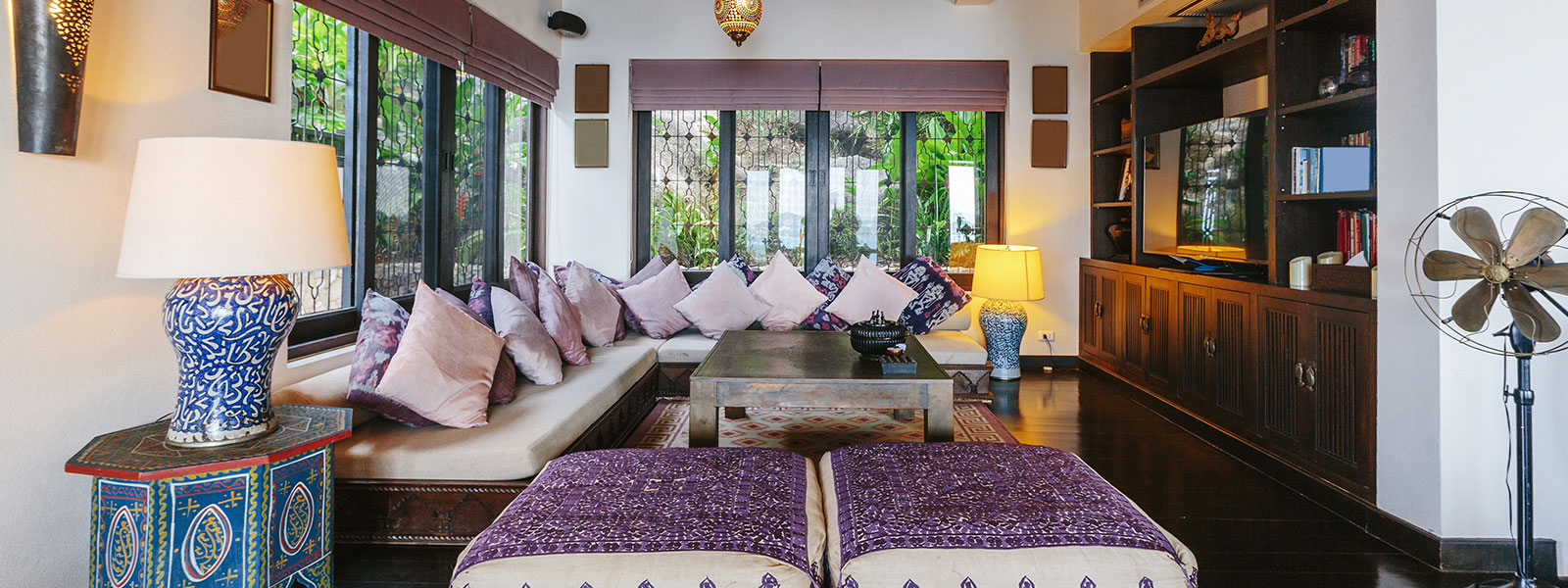
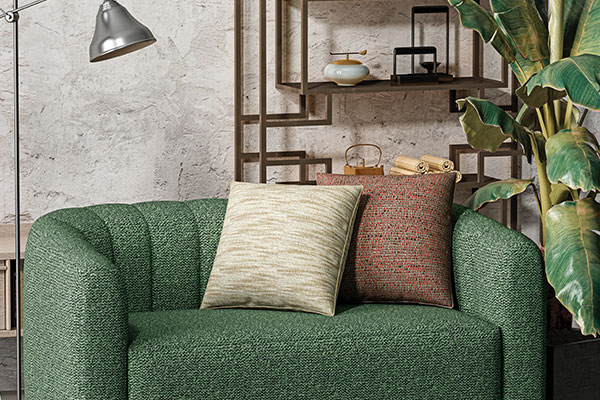
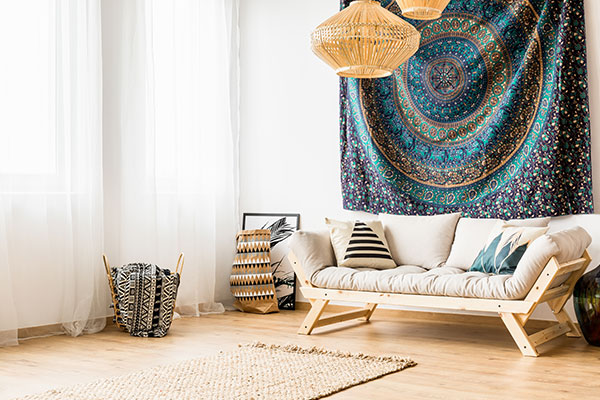
Textiles are lending homes a sense of softness and sophistication. Handwoven ikats, antique Benarasi fragments, or finely detailed kalamkari panels are being framed, stretched, or draped like art installations. In a pared-back living room, a large textile wall piece adds depth without visual noise—rich in texture, restrained in colour.
What feels luxurious is the restraint. Instead of layering multiple patterns, homeowners are letting one exceptional textile command attention, much like a statement artwork in a gallery.
fine art
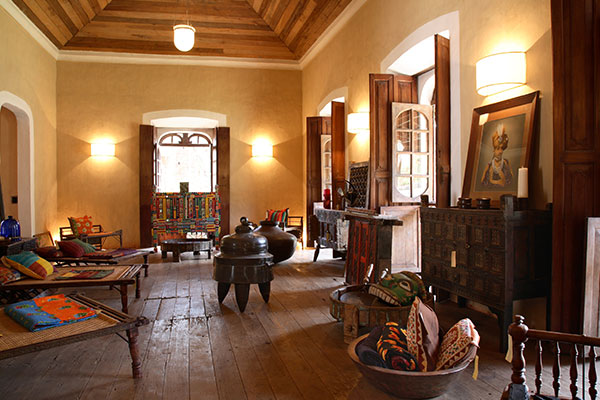
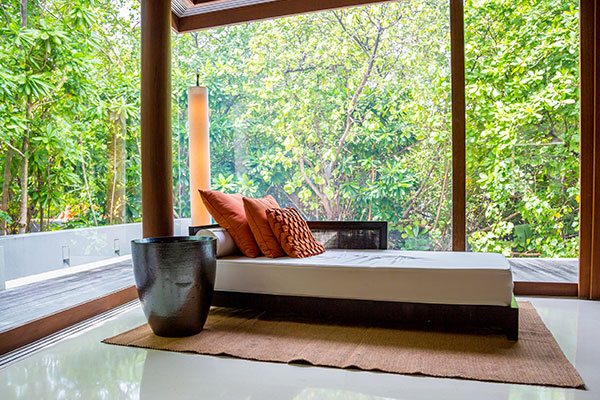
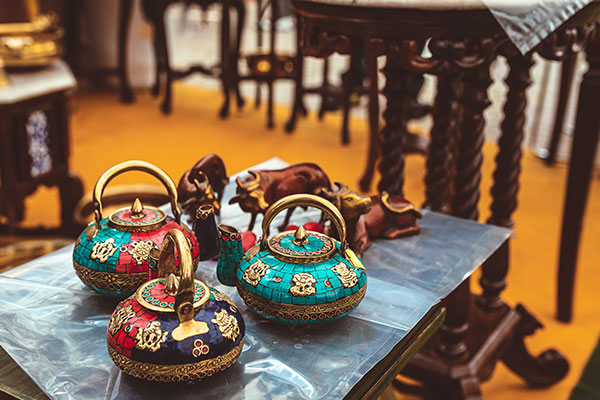
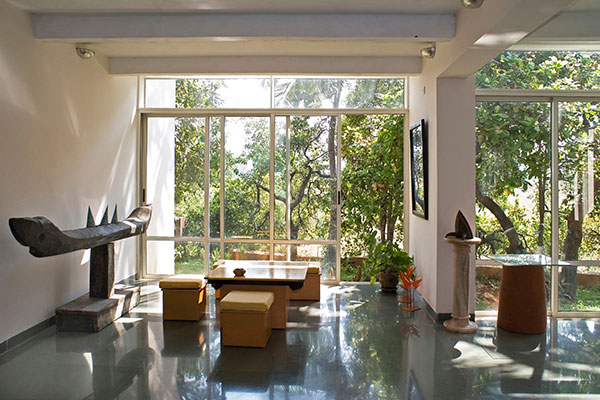
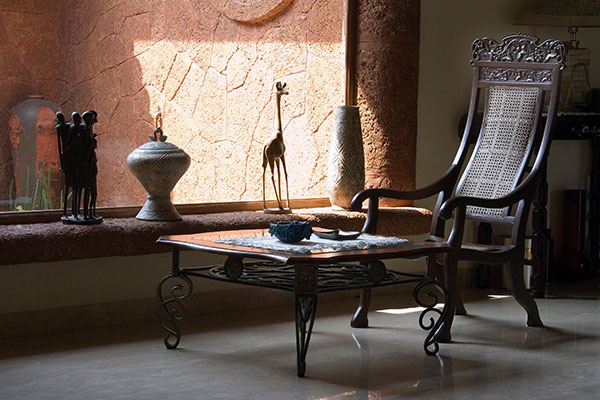
Indigenous crafts are being curated with the same care once reserved for fine art. A Bastar metal sculpture placed on a travertine console. A Gond painting given breathing room on a limewashed wall. These pieces aren’t crowded or over-explained; they’re allowed to stand on their own.
Often, they come with provenance—collected during private travels, sourced directly from master artisans, or passed down through generations. In luxury homes, the story behind the piece becomes as valuable as the piece itself.
gallery wall
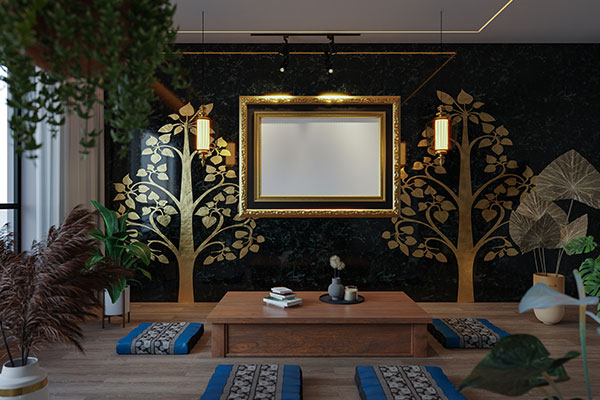
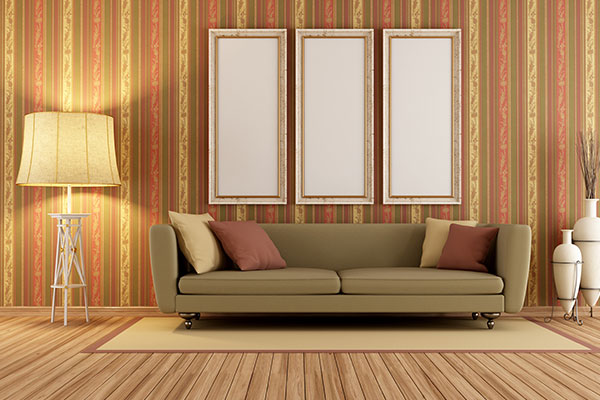
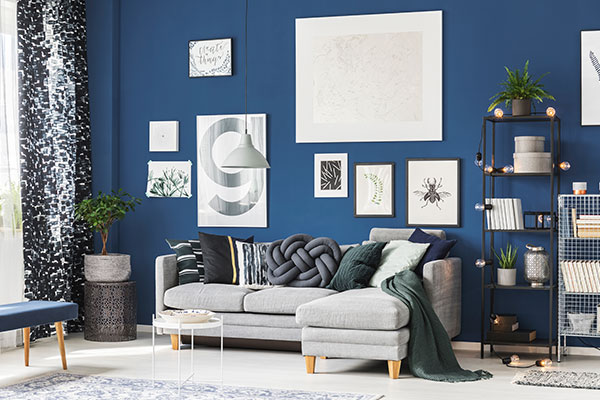
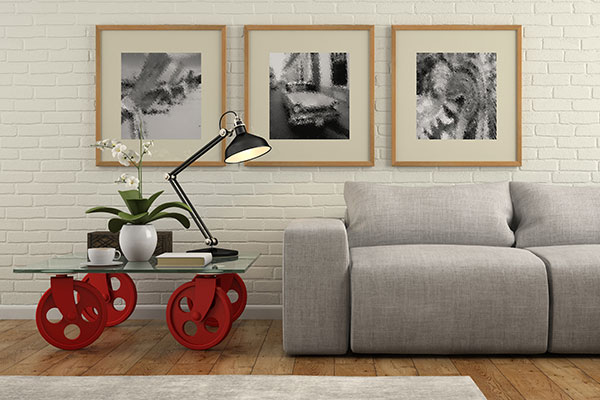
Curated walls are becoming more considered, more edited. Think fewer pieces, larger spacing, and thoughtful lighting. An ancestral photograph printed in museum quality sits beside contemporary photography and a miniature painting, all framed in understated materials—brushed brass, dark wood, soft linen.
The result feels like a private gallery rather than a decorative feature. Personal, yes—but impeccably composed.
everyday art
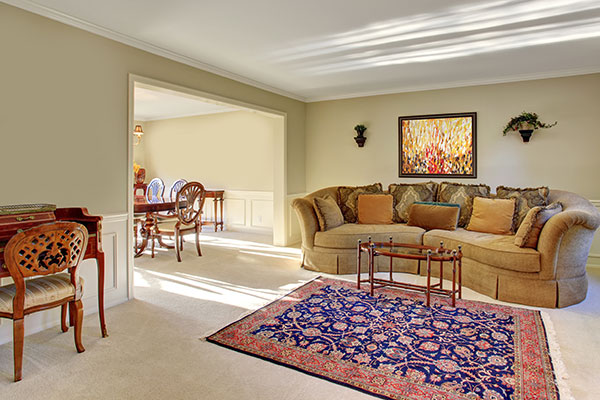
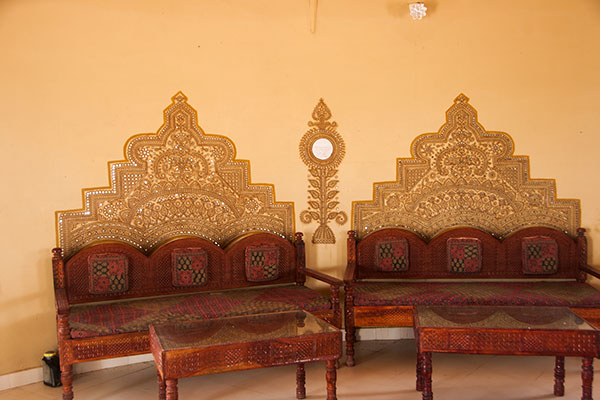
Luxury today lies in how seamlessly art integrates into everyday life. A carved wooden panel becomes a dramatic headboard. A hand-knotted rug anchors the living space like a work of art underfoot. Sculptural lighting in terracotta or brass casts a warm, ambient glow.
These are tactile luxuries—meant to be touched, lived with, and appreciated over time.
At its heart, this transformation reflects a shift in values. Indian luxury is moving away from overt display towards quiet confidence. It favours craftsmanship over branding, provenance over trend, and timelessness over novelty.
Homes are no longer styled to impress at first glance, but to reveal depth slowly—through texture, material, and meaning. In these art-forward spaces, luxury doesn’t announce itself. It whispers.