

The Year of AI-Curated Eating
Welcome to the age of AI-curated menus and mass-customised eating, where smart fridges and nutrition apps are quietly teaming up to plan your meals, track your health, and even remind you when your spinach is about to wilt. The result? A weekly meal plan that feels uncannily personal.
There was a time when the refrigerator was the most passive thing in the house—quietly humming, storing leftovers, and occasionally ambushing you with expired milk. Not anymore. Today’s smart fridges do more than keep food fresh. They suggest meals, track ingredients, and increasingly act like a nutrition-savvy sous-chef. Pair it with a nutrition app and viola, cooking and eating right is no longer a chore.
Remember when What’s for dinner? was the most stressful question of the day? Now the answer is often waiting inside your fridge and your app.


Smart Fridges That Think And Remember
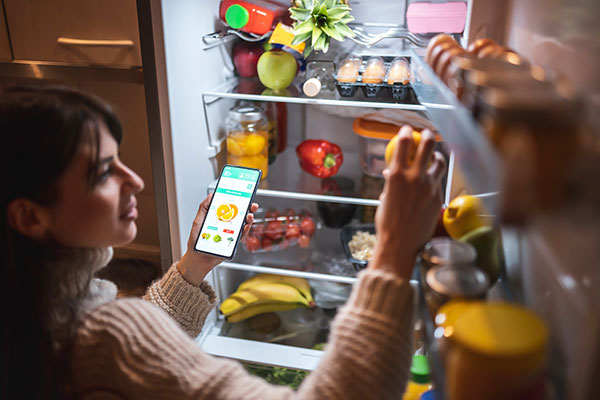
Take Samsung’s Family Hub refrigerator. With internal cameras that recognise items on each shelf, it can show you what’s inside while you’re at the grocery store—or nudge you when ingredients are nearing expiry. But the real magic happens when it links with nutrition and fitness apps. If your health dashboard shows you’re cutting back on sodium, the fridge doesn’t just remind you—it proposes low-salt dinner ideas using what you already have. Trying to lower cholesterol? The fridge suggests grilled fish bowls and swaps butter for olive oil. Gluten-free by necessity, not choice? Your meal plan quietly filters out the wheat without making a fuss.
LG’s ThinQ refrigerators go a step further by learning usage patterns. They notice that you cook elaborate meals on weekends but want quick fixes on weekdays. The AI adapts accordingly—suggesting slow-cook recipes on Sunday and 20-minute stir-fries on Tuesday, all aligned with your dietary preferences.
AI Menus That Match Your Body
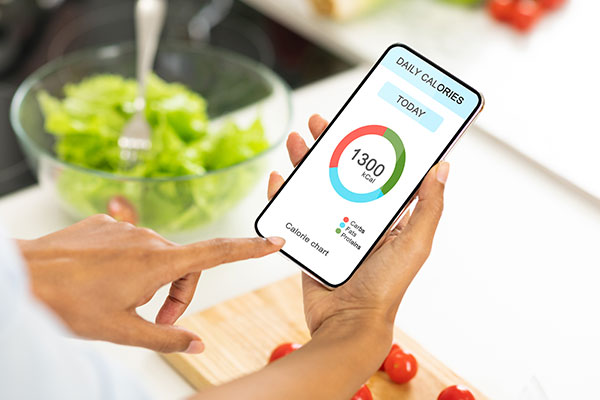
Now pair that fridge with an AI-powered nutrition app like Lifesum, MyFitnessPal, or HealthifyMe. These platforms analyse health data—step counts, blood sugar trends, allergies, fitness goals—and generate weekly menus that feel tailor-made.
Training for endurance? The app builds carb-balanced meal plans and syncs them with your fridge inventory. Managing diabetes? The system spaces meals, adjusts portion sizes, and flags high-glycaemic ingredients before they ever hit your plate. A peanut allergy in the family? AI filters recipes automatically, so safety becomes invisible but constant.
Some newer platforms even adjust menus based on real-time feedback. Skip a meal or log low energy, and the plan evolves—lighter breakfasts, iron-rich lunches, or protein-forward dinners.
One Kitchen, Many Diets
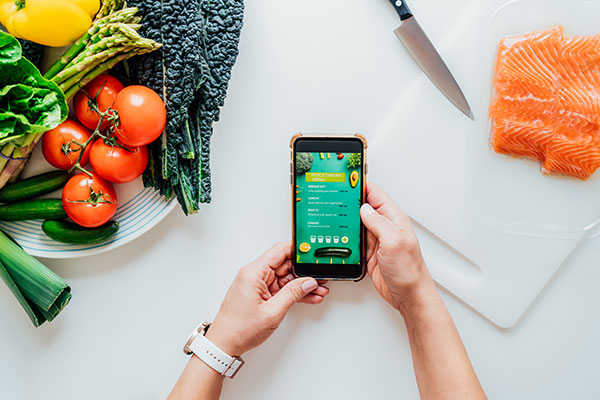
Perhaps the most impressive shift is how these systems handle households with conflicting needs. A smart fridge doesn’t panic when one person is vegan, another keto, and a third simply hungry. Instead, it creates modular meal ideas—one base dish, multiple adaptations.
A single tray of roasted vegetables becomes a grain bowl for one, a low-carb plate for another, and a protein-packed meal with tofu or chicken for a third. Same cooking effort, different outcomes.
This is mass-customised eating in action: standard appliances, deeply personal results.

From Guesswork to Gentle Guidance
What’s striking is how quietly this technology operates. No loud warnings. No food shaming. Just small, intelligent nudges: “You’re low on greens this week,” or “Here’s a recipe that fits your sleep-recovery score.”
The fridge becomes less of a storage unit and more of a wellness partner. The menu stops being a daily dilemma and starts becoming a dialogue between your lifestyle and your plate.
As AI continues to learn our habits, cultures, and health rhythms, eating well no longer feels like a chore or a trend. It feels natural. Personal. Almost intuitive.
And that age-old question—What’s for dinner?
Turns out, your fridge already knows.
